Explained in plain English
What the work involves and what each document does, before you sign anything.
Real estate
Homes, land, and the covenants recorded against them, plus landlord–tenant work in Washoe County.
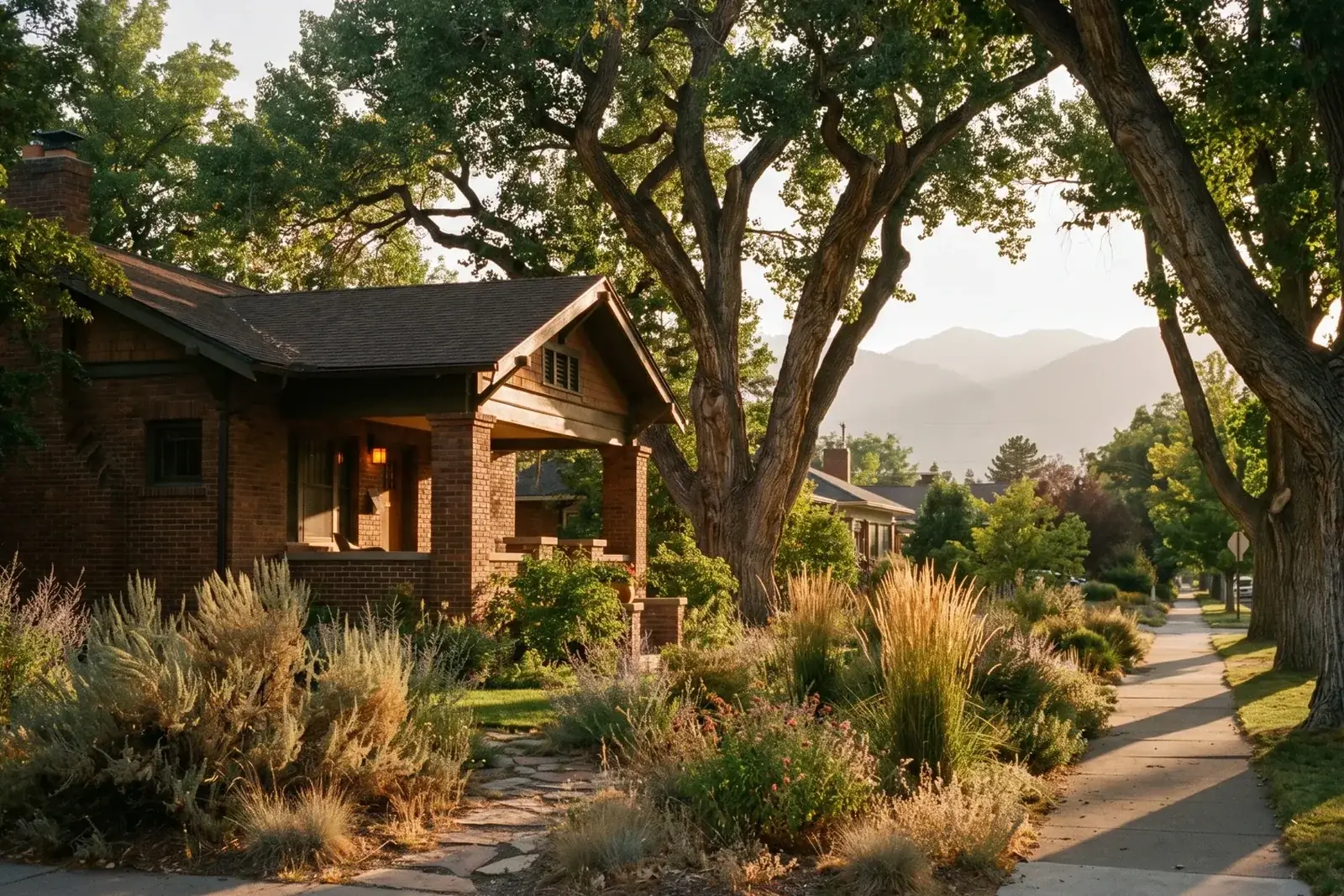
Most of the real estate work here is a dispute: a landlord and a tenant, co-owners who cannot agree what to do with a property, or a covenant recorded against the land. Landlords and tenants are both welcome, though never both sides of the same matter. Bring the lease, the deed, or the letter your question is about.
Most real estate questions that reach a lawyer are one of these. Each is described the way it usually arrives.
| The situation | In plain words |
|---|---|
| A landlord and a tenant | Notices, deposits, and evictions in Washoe County, for landlords and for tenants. The deadlines are short, which is why the first question is always which notice was served and when. |
| Co-owners who cannot agree | Siblings who inherited a house, or people who bought together and want different things. A court can divide the property or order it sold. |
| Rules recorded against the property | Covenants, conditions and restrictions: what they allow, how they are enforced, and what to do when a violation letter arrives. |
| Selling a home yourself | Without an agent, nobody is reading the contract on your behalf. It can be reviewed before you sign it. |
| A title problem | A deceased owner still on the deed, a misdescribed parcel, a lien nobody expected. These tend to surface when a sale is about to close. |
| Land use and zoning | What a property may be used for, and what your options are when the rules and your plans disagree. |
| Manufactured housing | A manufactured home is often titled one way while the land under it is titled another, and that raises its own questions in a sale or an estate. |
| A commercial transaction | Buying, selling, or leasing commercial property. |
A deed is a page or two that permanently moves a property from one owner to another. The wrong deed type, a misdescribed parcel, or a missed recording step creates title problems that surface years later, usually when the property is being sold. A deed should be prepared with the title checked against the county record before anything is signed:
If you are about to sign something, have it read first.
Request a consultationLandlord–tenant, in full Landlord–tenant matters move on short deadlines. This office takes them, for landlords and for tenants, and they have a page of their own: Landlord–tenant in Washoe County.
What you will know before any work begins.
What the work involves and what each document does, before you sign anything.
Nothing starts until you know how the work is priced and how payment works.
Both, though never both sides of the same matter.
When co-owners cannot agree what to do with a property, a court can divide it or order it sold and split the proceeds. Either co-owner can bring one.
They can. Covenants, conditions and restrictions are recorded against the land itself, and older ones may bind a property whether or not an association exists to enforce them.
A recorded deed naming who receives your property at death, with no probate and no loss of control during life. It can be revoked at any time. A trust does more if you need planning for incapacity or for minor children.
When you’re ready
Landlords and tenants both. You’ll hear the whole process first, then the first step and what it costs.