Explained in plain English
What the work involves, before you sign anything.
Probate · Washoe County
If a parent or a spouse has died in Reno or Sparks and there is a house, an account, and a folder nobody has opened, this page covers where it happens, what to gather, and what to leave alone.
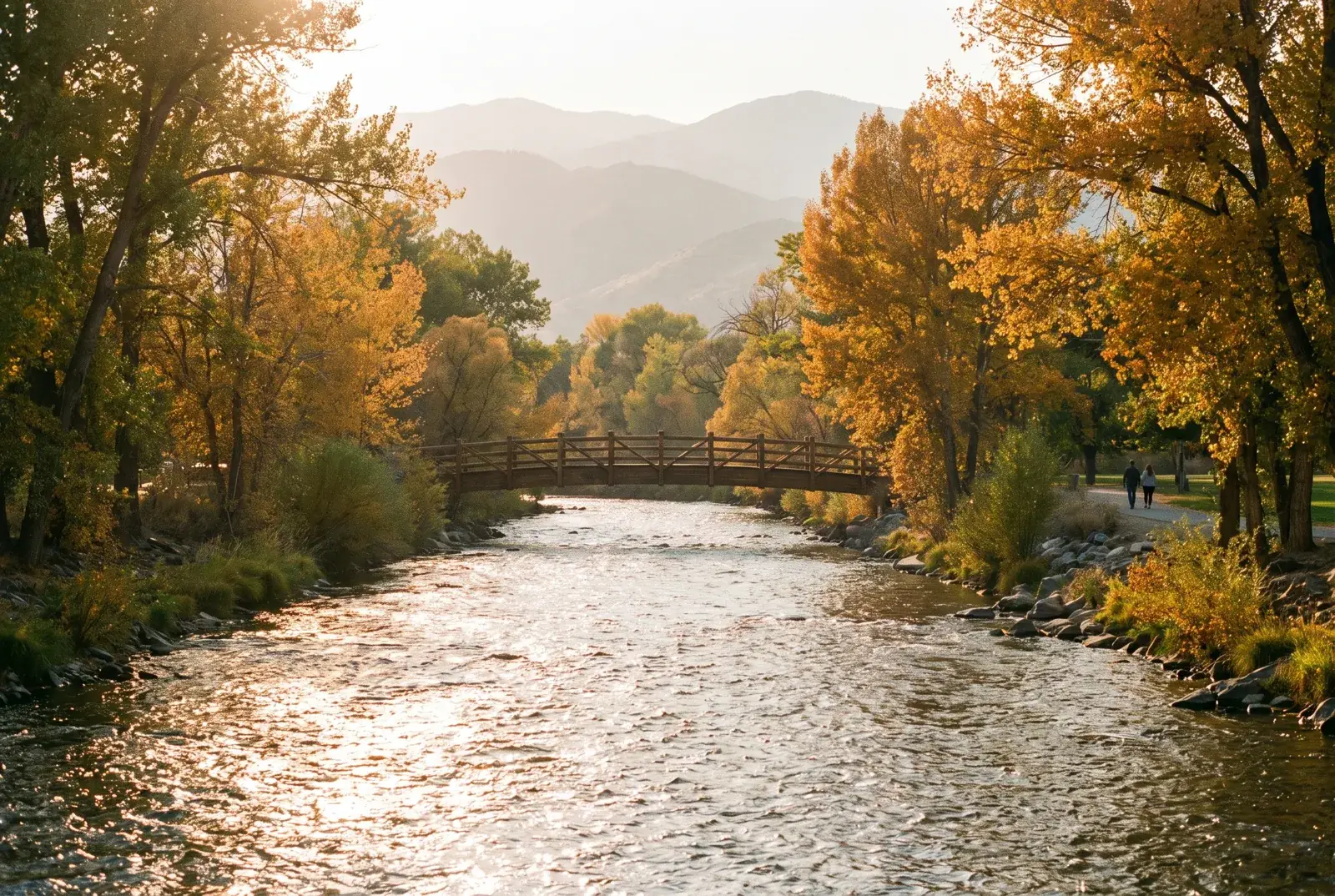
A Washoe County probate is filed in the Second Judicial District Court in downtown Reno, in the county where the person lived. Nothing has to happen in the first days. What helps in the first weeks is simple: order certified death certificates, find the original will, and leave the accounts and the house as they are. The first meeting then tells you whether a court case is needed at all, which of Nevada’s procedures fits, and what happens in what order.
Probate belongs to the district court of the county where the person lived. For Reno, Sparks, and the rest of Washoe County, that is the Second Judicial District Court. Much of its probate calendar is heard by a probate commissioner, whose recommendations a district judge then confirms.
When a house changes hands at the end of a probate, the court’s order and the new deed are recorded with the Washoe County Recorder. Until that recording, the county’s records still show the person who died as the owner, which is why a house cannot be sold or refinanced by the family in the meantime.
Nevada requires notice to creditors to be published in a newspaper in the county. The rule is old, and its purpose is practical: it starts the period after which the estate is protected from late claims.
A person who lived in another state and owned a house or land in Washoe County still needs a proceeding here for that property, alongside whatever happens in their home state. Real estate is handled in the county where it sits.
None of it has to be organized. A shoebox is fine.
Much of the trouble in an estate starts with family members trying to be helpful in the first month. Until someone has been appointed by the court, a few things are better left exactly as they are.
It starts with what the person owned and how each thing was titled, because that decides whether probate is needed and whether one of Nevada’s shorter procedures fits. Then it covers who should serve and what serving involves, and the whole sequence from the first filing to the final order. The guide to what the probate process looks like, step by step walks through that sequence.
The firm counsels and assists families through probate from start to finish.
Bring the folder, or the shoebox. The first meeting lays out what happens and in what order.
Request a consultationWhat you will know before any work begins.
What the work involves, before you sign anything.
Nothing starts until you know how the work is priced and how payment works.
The Second Judicial District Court, which sits in downtown Reno and serves all of Washoe County. Probate is filed in the county where the person lived.
Often not. Uncontested petitions are frequently decided without the family needing to speak, and when a hearing is required the attorney usually appears.
The house needs a proceeding in Washoe County, alongside whatever happens in the state where your parent lived. Real estate follows the county it sits in.
There is no rush in the first days, and no benefit in waiting for months. The statutory waiting periods begin only when the case is filed, so time spent before filing is added to the end.
When you’re ready
You’ll hear the whole process first, then the first step and what it costs.